
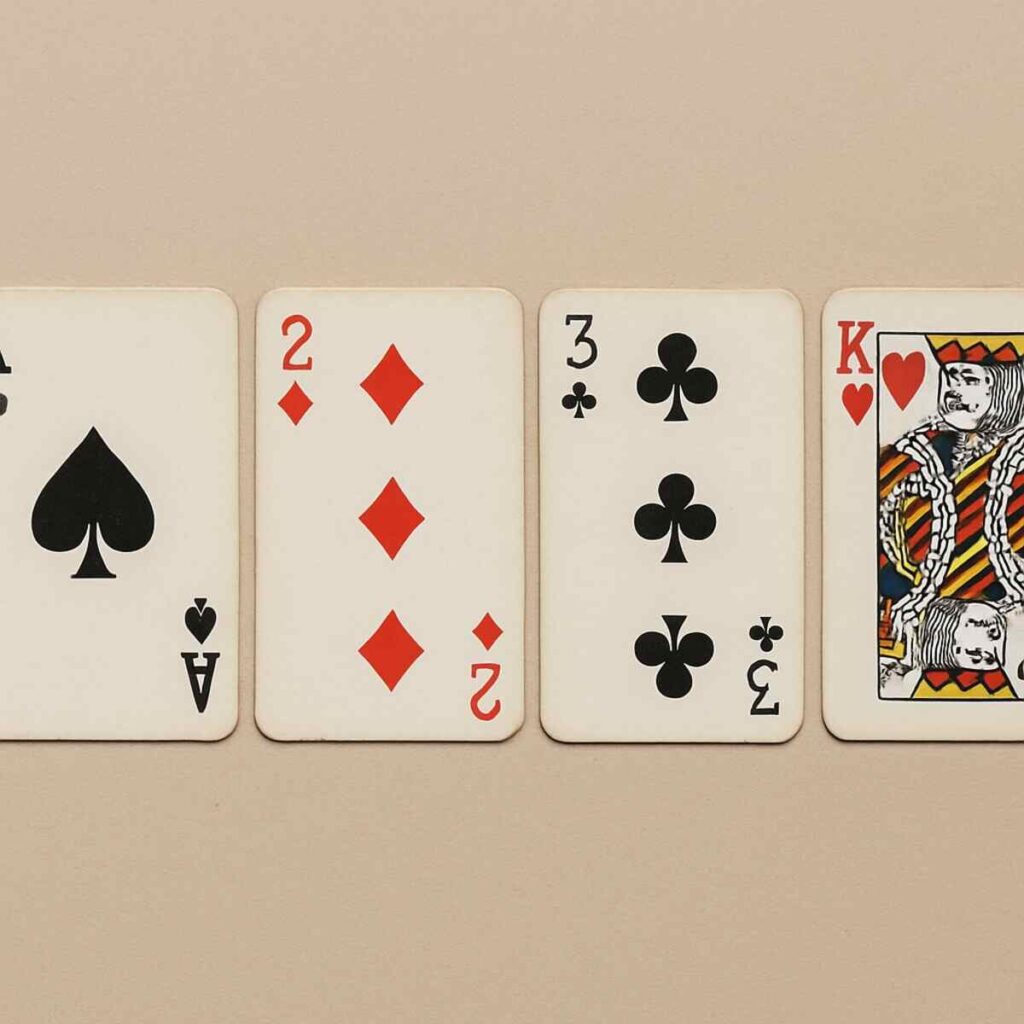
Before we jump into strategies, let’s get a handle on the basics. Knowing the rules inside out will make you more confident and efficient in your gameplay. Check out Login REX88 to know more
The Objective of the Game
The main goal in Go Fish is to collect as many sets of four cards of the same rank (for example, four Queens, four 5s, etc.) as possible. The player with the most sets at the end wins the game. Understanding this objective is crucial as it influences every decision you make.
Winning requires a balance between luck and skill. While drawing cards from the pond is random, asking for the right cards is where strategy comes into play. Every choice you make should bring you closer to completing your sets.
Setting Up the Game
- Players: Go Fish is best played with 3-6 players, though it’s adaptable for larger groups with additional decks. The more players, the more unpredictable the game becomes, adding layers of complexity and fun.
- Deck: Use a standard 52-card deck. Some variations of the game include additional decks or even custom Go Fish decks themed around popular characters or animals.
- Dealing: Deal 5 cards to each player if there are 4-6 players, or 7 cards if there are 3 players. The remaining cards are placed face down in the center to form the “fish pond.” This setup ensures a good balance between strategy and chance.
Playing the Game
- Ask for Cards: On your turn, ask any player for a specific card rank (e.g., “Do you have any 8s?”). You must have at least one card of the rank you ask for. This rule is essential as it requires players to plan their moves.
- Fishing: If the player you asked has the cards, they must give them to you. If not, they say, “Go Fish,” and you must draw a card from the pond. This adds an element of suspense as you never know what card you’ll draw.
- Making Sets: Whenever you collect four cards of the same rank, place them in front of you. This visual display of your sets can be both a motivator and a strategic distraction for your opponents.
- Ending the Game: The game ends when all sets are completed. The player with the most sets wins! This conclusion often comes with a lot of excitement and sometimes surprise, as the final sets can change the outcome drastically.
Strategies for Winning
Now that you’re clear on the rules, let’s look at some strategies to enhance your gameplay.
Keep Track of Cards
This might sound simple, but keeping track of which cards have been asked for and by whom can give you a huge advantage. It helps you make educated guesses about what other players might have.
Developing a mental or physical note-taking system can enhance your memory. Some players jot down notes subtly, while others rely on mental cues. Over time, this tracking becomes more intuitive, allowing for quick strategic adjustments.
Be Observant of Player Behavior
Watch the facial expressions and reactions of other players. Sometimes, they might give away what cards they have or don’t have. It’s all about reading people, much like poker!
Body language can be a powerful indicator of a player’s hand. A slight smile or a furrowed brow can reveal a lot. Observing how players react to specific questions can provide clues about their cards.
Prioritize Completing Sets
Try to focus on completing one set at a time. This doesn’t mean you shouldn’t collect cards of other ranks, but having a clear goal can guide your asking strategy. Concentrating on one set reduces the complexity of choices you need to make each turn.
Balancing between completing a set and blocking opponents from completing theirs is key. Sometimes it’s worth asking for a card that prevents another player from finishing their set, even if it doesn’t immediately benefit you.
Strategic Asking Techniques
When it’s your turn, ask for cards that will either complete a set or cards that you have a high chance of getting based on previous rounds. If you know someone just drew a card, it’s a good bet they might not have what you’re looking for.
Consider the psychology of asking: sometimes targeting a player with fewer cards can yield better results. Players with larger hands may have more of what you need, but they also have more options to thwart your progress.
Fun Variations to Spice Up Your Game
If you’re already comfortable with the traditional rules, why not try some variations?
The Joker Twist
Add jokers to the deck as wild cards. You can use a joker as any card, making it easier and more fun to complete sets. Jokers introduce an element of surprise and can drastically alter the game’s dynamics.
Strategically, holding onto a joker can be a double-edged sword. It provides flexibility but also makes you a target for other players who suspect you have it. Deciding when to use it is a key part of this variation.
Go Fish with a Twist
Instead of asking for a specific rank, you ask if the player has a card of a specific suit (e.g., “Do you have a heart?”). It’s a fun variation that keeps everyone on their toes! This version requires a different kind of strategic thinking, as players must balance suit collection with rank completion.
The suit-based variation can lead to unexpected alliances and rivalries, as players may find themselves inadvertently helping others complete their sets.
Speed Go Fish
This version is all about speed! Set a timer for each player’s turn to keep the game moving fast. It adds a layer of pressure and excitement. Quick decisions can lead to mistakes, adding humour and unpredictability to the game.
Time constraints force players to rely on instinct and quick recall, honing their strategic thinking under pressure. It’s a great way to sharpen your skills while keeping the game lively.
Why Play Go Fish?
Go Fish isn’t just a game; it’s an opportunity to sharpen your memory, enhance your strategic thinking, and spend quality time with loved ones. It’s simple enough for kids but has enough depth to keep adults engaged.
Playing card games like Go Fish also fosters social interaction and can be a great way to break the ice in group settings. Plus, it’s an excellent tool for teaching kids about numbers, matching, and basic strategy.
Benefits for Cognitive Development
Go Fish stimulates cognitive skills such as memory, problem-solving, and strategic planning. Remembering who asked for what card and when requires mental acuity. This mental exercise is particularly beneficial for children’s brain development.
Playing regularly can improve concentration and increase patience, as players must wait for their turn and plan their moves. It’s a fun way to enhance brain function across all age groups.
Social Interaction and Bonding
The game encourages communication and interaction, making it a perfect choice for family game nights or gatherings with friends. Sharing laughs and friendly competition strengthens bonds and creates lasting memories.
Go Fish can also help improve social skills, especially for children, by teaching them how to take turns, follow rules, and engage in friendly competition. These are valuable life skills learned in a playful context.
Educational Advantages
For children, Go Fish serves as an educational tool. It reinforces number recognition and counting skills, as players must match ranks and count their sets. It also introduces basic probability concepts as players make educated guesses about card locations.
The game can be adapted for educational purposes by using themed decks that teach colors, animals, or other concepts. This flexibility makes Go Fish a versatile learning aid.
Conclusion: Have Fun and Keep Playing
The most important rule of Go Fish—or any game, really—is to have fun. Whether you’re playing with family, friends, or new acquaintances, the joy of the game comes from the shared experience. So shuffle that deck, deal those cards, and dive into the world of Go Fish with a newfound strategy and enthusiasm.
Remember, practice makes perfect, and every game is a chance to learn something new. Happy fishing!
The Joy of Continuous Learning
Every game of Go Fish presents a new opportunity to refine your strategies and learn from past experiences. Embrace mistakes as learning tools. Each round played adds to your understanding and enjoyment of the game.
Building Lifelong Memories
The shared experiences and memories built during games of Go Fish are priceless. Whether it’s a child’s first game or a competitive round among friends, the moments shared become treasured memories.
Encouraging a Lifelong Love for Games
Starting with a simple game like Go Fish can ignite a lifelong passion for card games and strategic thinking. As skills and interests grow, players may venture into more complex games, building on the foundation set by Go Fish.