Welcome to the vibrant world of Pedro, a card game that promises hours of entertainment with its unique blend of strategy and luck! If you’re on the hunt for an exciting addition to your card night or eager to conquer a new challenge, Pedro is a fantastic choice. This comprehensive guide will delve into every aspect of playing and mastering Pedro, ensuring that you have all the tools you need to become a formidable player. Check out PREMAN189 to know more
What is Pedro?
Pedro, also affectionately known as Cinch, is a captivating trick-taking card game with a rich history. This game has been captivating players for generations with its strategic depth and competitive edge. Originating from the United States, Pedro is traditionally played with a standard deck of 52 cards, but with a twist that makes it uniquely challenging.
Historical Roots
Tracing back to its roots, Pedro has evolved over the years, adapting to the changing tastes of card game enthusiasts. Originally a game of the American Midwest, it spread across the country, capturing the hearts of players with its engaging gameplay.
The Objective
The core objective of Pedro is to be the first team to score 52 points, a nod to its classic gameplay structure that mirrors the number of cards in a full deck. Teams of two compete against each other, making teamwork and strategy critical components of the game.
Game Dynamics
Pedro is not just about the cards you hold but also about how you play them. The game revolves around making strategic bids, choosing the right trump suit, and outsmarting your opponents. It combines elements of chance with skillful play, offering a dynamic experience that keeps players on their toes.
Getting Started with Pedro
Before diving into the action, it’s crucial to set up the game correctly:
The Deck Composition
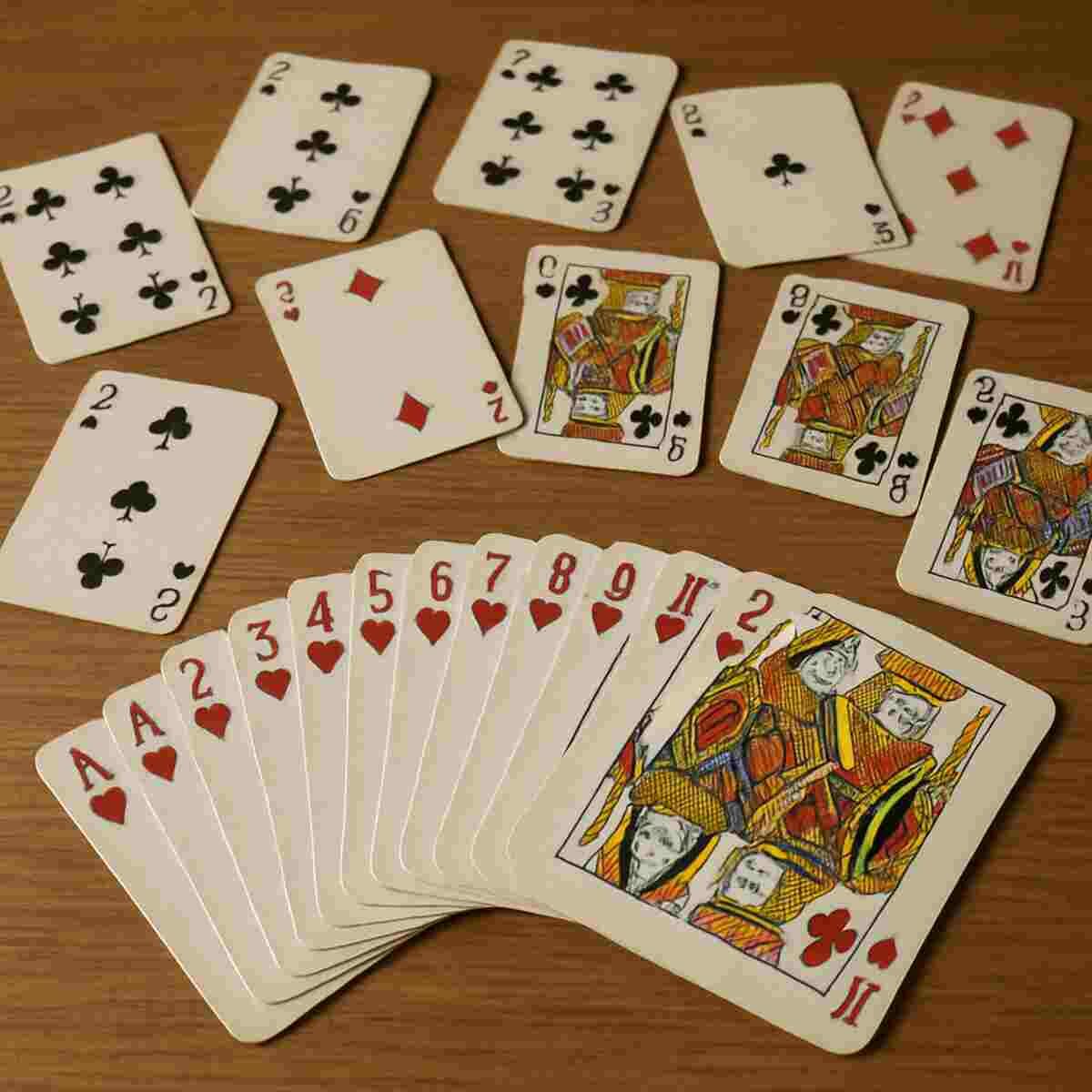
Pedro uses a modified deck. You start by removing the twos, threes, fours, fives, and sixes, leaving a streamlined 40-card deck. This alteration intensifies the game, focusing on higher-value cards and making strategic decisions more impactful.
Dealing the Cards
Each player receives nine cards, dealt in a manner that ensures a fair and balanced hand. The leftover cards form the kitty, a set of cards that can be crucial during the bidding phase and can significantly alter the outcome of a round.
Understanding the Trump Suit
The game pivots around the trump suit, which is determined through a strategic bidding process at the beginning of each round. The highest bidder declares the trump suit, leveraging its power to control the game and potentially lead their team to victory.
Navigating the Kitty
The kitty plays a pivotal role, offering players a chance to enhance their hand after the trump suit is declared. The highest bidder swaps cards with the kitty, adding an element of surprise and strategy to the game.
Scoring System
Points are primarily scored through the Pedro cards: the five of trumps (worth 5 points) and the jack of trumps (worth 1 point). Other cards like the ace, king, queen, and ten of the trump suit also contribute to the score, making each trick a potential game-changer.
How to Play Pedro
With the foundation laid, let’s explore the intricacies of gameplay:
The Bidding Process
The game kicks off with a bidding phase where players evaluate their hands and place strategic bids. This phase is a mind game, as players must gauge their opponents’ intentions while assessing their own hand’s strength. The highest bid decides the trump suit, setting the tone for the round.
Executing the Tricks
Once the trump suit is established, players engage in a series of tricks. Each trick begins with a lead card, and players must follow suit if possible. If unable to follow suit, they can play a trump card to seize the trick or opt for another card, adding layers of strategy to each round.
Strategic Team Play
As a team-based game, Pedro requires seamless coordination between partners. While direct communication is not allowed, players must learn to read their partner’s plays and anticipate their strategies, creating a silent yet powerful synergy.
Winning the Game
The game progresses until one team reaches the coveted 52 points. Points are meticulously tallied at the end of each round, taking into account the tricks won and the value of the cards within those tricks. The race to 52 is often a nail-biter, with teams jockeying for position in every round.
Advanced Strategies for Pedro
Elevate your gameplay with these advanced strategies designed to give you an edge:
Mastering the Bidding Game
Bidding is an art form in Pedro. To excel, players need a keen sense of judgment to assess their hand’s potential. Consider the trump cards in your hand and the likelihood of your opponents having stronger hands. A well-calculated bid can set the stage for a victorious round.
The Art of Card Management
Keeping track of the cards played is crucial. This information aids in predicting which cards are still in play, allowing you to make informed decisions about when to unleash your high-value cards or when to save them for a more opportune moment.
Reading Opponent’s Tactics
A successful Pedro player is also an astute observer. By analyzing your opponents’ moves, you can anticipate their strategies and counter them effectively. This insight can be the difference between winning a trick and losing the advantage.
Enhancing Team Dynamics
While explicit communication with your partner is off-limits, the subtle art of non-verbal cues and strategic plays can enhance team dynamics. Understanding your partner’s style and supporting their decisions without verbal cues is a hallmark of a seasoned Pedro player.
Common Mistakes to Avoid
Even the most seasoned players can stumble. Here are pitfalls to steer clear of:
The Perils of Overbidding
The temptation to bid high can be strong, especially with a promising hand. However, overbidding without the cards to back it up can lead to losses. Aim to bid within your means, ensuring you can deliver on your promises.
Overlooking Opponent’s Strategies
Focusing solely on your hand can be a costly error. Keeping an eye on your opponents’ moves and adapting your strategy accordingly is essential for maintaining the upper hand and outmaneuvering them at every turn.
Neglecting the Scoreboard
In the heat of the game, it’s easy to lose track of the score. However, understanding how close you are to the goal of 52 points can inform your strategy and help you prioritize certain plays over others, keeping you focused on the endgame.
Conclusion
Pedro is a game that marries strategy, skill, and a touch of luck. Whether you’re just beginning your Pedro journey or you’re a seasoned player looking to refine your skills, understanding the rules and employing intelligent strategies will enrich your gameplay experience and boost your chances of victory.
So, gather your deck of cards, invite some friends, and dive into the captivating world of Pedro. Happy playing!