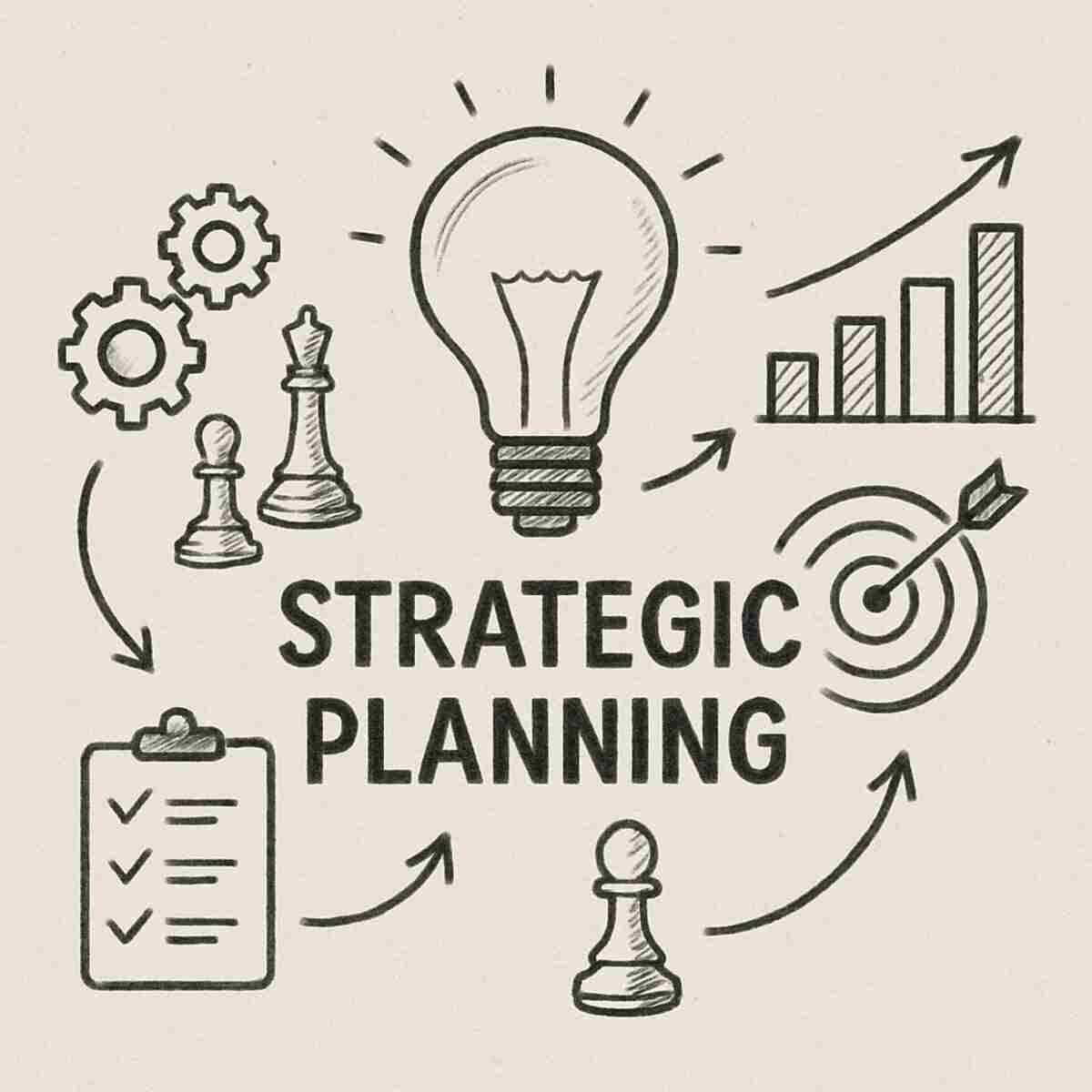
Playing the long game involves patience, perseverance, and a focus on long-term goals rather than immediate results. It’s about setting up a strategic plan that gradually leads you to success. Here’s how you can start mastering this concept. Check out PRINCEBET88 to know more
The Power of Strategic Planning
Strategic planning is your roadmap. It’s akin to outlining your novel or drafting a comprehensive content calendar. Start by defining your end goal, then work backward to outline the steps needed to get there. This approach applies to writing a novel, creating content, or even drafting an academic paper.
For aspiring novelists, this means sketching out your plot, character arcs, and potential conflicts. Consider how each chapter will build on the previous one to create a cohesive story. For content marketers, it involves planning your content themes, distribution strategy, and engagement metrics. Graduate students can use strategic planning to outline their thesis or dissertation structure, setting realistic timelines for research, writing, and revisions.
Embracing Delayed Gratification
Delayed gratification is the practice of resisting the temptation of an immediate reward in preference for a later reward. Think of it as the patience needed to develop your characters slowly or to build up an argument in your academic paper.
When you focus on the long game, you’re investing in a future payoff. This mindset helps you endure the sometimes tedious process of editing your manuscript, revising your content for SEO, or refining your thesis arguments. By embracing delayed gratification, you learn to appreciate the incremental progress that leads to a significant breakthrough. It encourages you to stay committed, even when the results aren’t immediately visible, fostering a deeper understanding and mastery of your craft.
Building a Resilient Mindset
A resilient mindset is crucial when playing the long game. Resilience involves adapting to setbacks, learning from failures, and persevering despite challenges. This mindset empowers you to view obstacles as opportunities for growth rather than insurmountable barriers.
Cultivating resilience requires self-awareness and a willingness to step out of your comfort zone. Embrace constructive criticism and use it to refine your approach. Whether you’re revising a novel draft, optimizing a marketing campaign, or addressing feedback on an academic paper, resilience will help you navigate the journey with determination and confidence.
Practical Strategies for Playing the Long Game
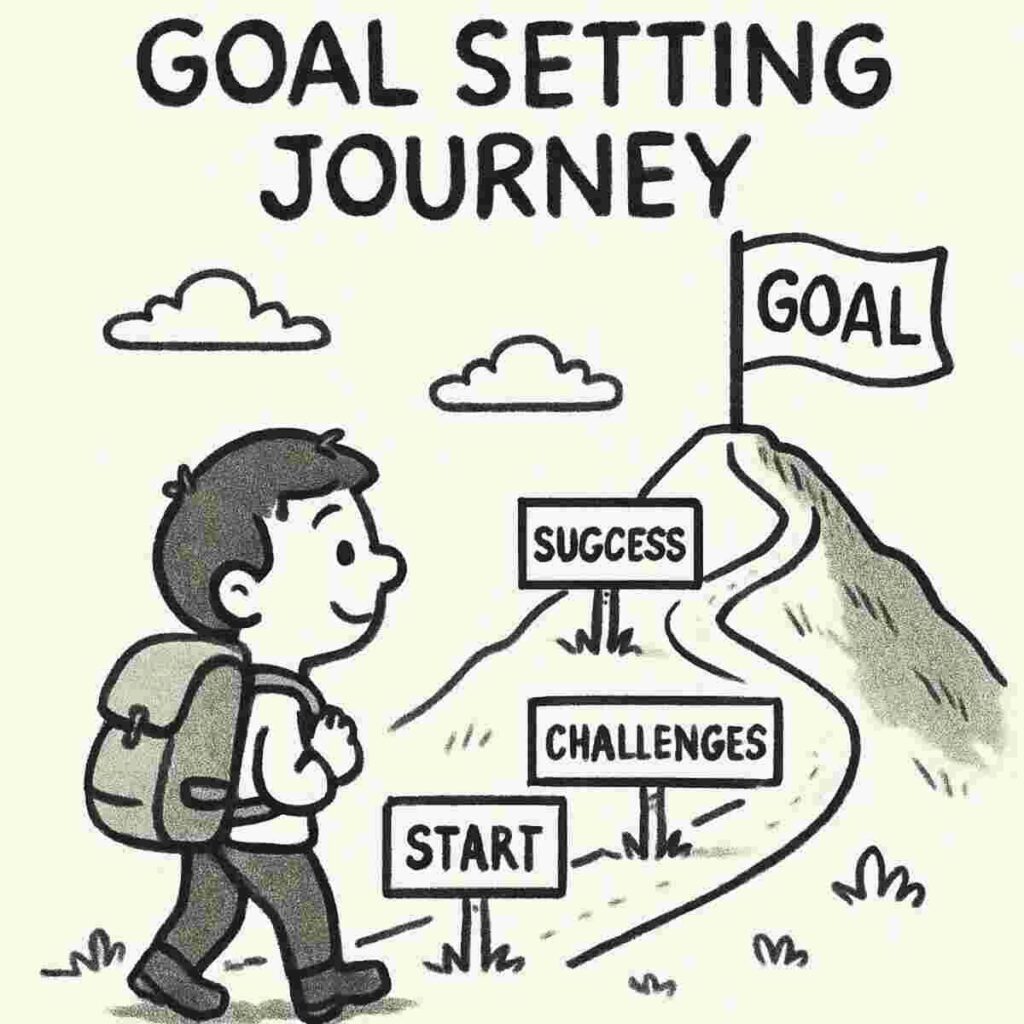
Now that we understand the basics, let’s delve into some practical strategies to help you master the long game.
Set Clear, Long-Term Goals
Start by setting clear, long-term goals. What do you want to achieve in the next year, five years, or ten years? Write these goals down and revisit them regularly. This keeps you focused on the bigger picture.
For writers, this might mean completing a novel or a series of articles. Define what success looks like for you and set realistic deadlines. For marketers, it could be building a brand’s authority in a niche market. Identify key performance indicators that align with your long-term vision. Graduate students might aim for academic publication or a successful dissertation defense. Outline the milestones you need to reach along the way to keep your progress on track.
Break Down Goals into Manageable Steps
Once you have your goals, break them down into smaller, manageable tasks. This makes the journey less overwhelming and helps you track your progress.
Aspiring novelists can break their book into chapters and scenes. Consider the pacing and structure to maintain reader engagement. Content marketers might create a content schedule with regular milestones. Determine the frequency of content releases and the platforms for distribution. Graduate students can divide their thesis into sections and set deadlines for each. Prioritize tasks based on their impact and ensure each step contributes to your overarching goal.
Stay Consistent and Persistent
Consistency is key when playing the long game. Develop a routine that allows you to work on your goals regularly. Even small, consistent efforts add up over time.
For instance, set aside a specific time each day for writing, whether it’s working on your novel, drafting content, or researching for your academic paper. Establishing a daily habit reinforces your commitment and keeps momentum going. The key is to keep moving forward, even when progress seems slow. Celebrate the small victories and use them as motivation to persevere through challenges.
Learn from Setbacks
Setbacks are inevitable, but they can be valuable learning opportunities. When things don’t go as planned, reflect on what happened and how you can improve. This resilience is crucial for mastering the long game.
Remember, even the most successful writers and marketers face rejection and criticism. Use these experiences to grow and refine your skills. Analyze feedback to identify areas for improvement and adjust your strategy accordingly. Embrace a growth mindset, understanding that setbacks are part of the learning process and can ultimately lead to more significant achievements.
Celebrate Small Wins
Playing the long game doesn’t mean you shouldn’t celebrate along the way. Recognizing and celebrating small wins keeps you motivated and reaffirms that you’re on the right path.
Whether it’s finishing a chapter, publishing a new blog post, or receiving positive feedback on an academic paper, take the time to acknowledge your achievements. Celebrating small victories boosts morale and reinforces your sense of accomplishment. It also provides an opportunity to reflect on your progress, reinforcing the positive habits that contribute to your long-term success.
Tools and Techniques for Success
To effectively play the long game, you need the right tools and techniques. Here are some that can help you along the way.
Writing and Planning Tools
Utilize writing and planning tools to keep your work organized. Tools like Scrivener for writers, Trello for project management, and EndNote for academic citations can streamline your process and keep you on track.
Explore additional tools that cater to your specific needs. For novelists, software like Plottr can help visualize plotlines and character relationships. Content marketers might benefit from analytics tools to track engagement metrics and adjust strategies. Graduate students can use reference management software to organize research materials efficiently. The right tools enhance productivity and simplify complex tasks, allowing you to focus on creativity and innovation.
Time Management Techniques
Effective time management is crucial. Techniques like the Pomodoro Technique, which involves working in focused bursts with breaks in between, can enhance productivity and prevent burnout.
Experiment with different time management techniques to find what works best for you. Consider using time-blocking to allocate specific periods for focused work and relaxation. Prioritize tasks based on urgency and importance, ensuring you dedicate time to activities that align with your long-term goals. Maintaining a balanced schedule prevents burnout and ensures sustainable progress.
Continuous Learning and Improvement
Stay open to continuous learning and improvement. Attend workshops, seek feedback, and keep abreast of the latest trends in your field. This helps you refine your strategy and stay competitive.
Engage with a community of peers and mentors who can offer insights and support. Participate in online forums, attend conferences, and seek opportunities for professional development. Embrace new technologies and methodologies that can enhance your skills and expand your knowledge. Continuous learning fosters adaptability and innovation, ensuring you remain at the forefront of your field.
Conclusion
Playing the long game requires patience, strategic planning, and a commitment to delayed gratification. By setting clear goals, staying consistent, learning from setbacks, and celebrating small wins, you can steadily work towards mastering your craft.
Whether you’re writing a novel, crafting compelling content, or producing scholarly work, these strategies will help you navigate the journey with confidence and success. Remember, the long game is a marathon, not a sprint. Embrace the process and enjoy the journey, knowing that each step brings you closer to achieving your ultimate goals.